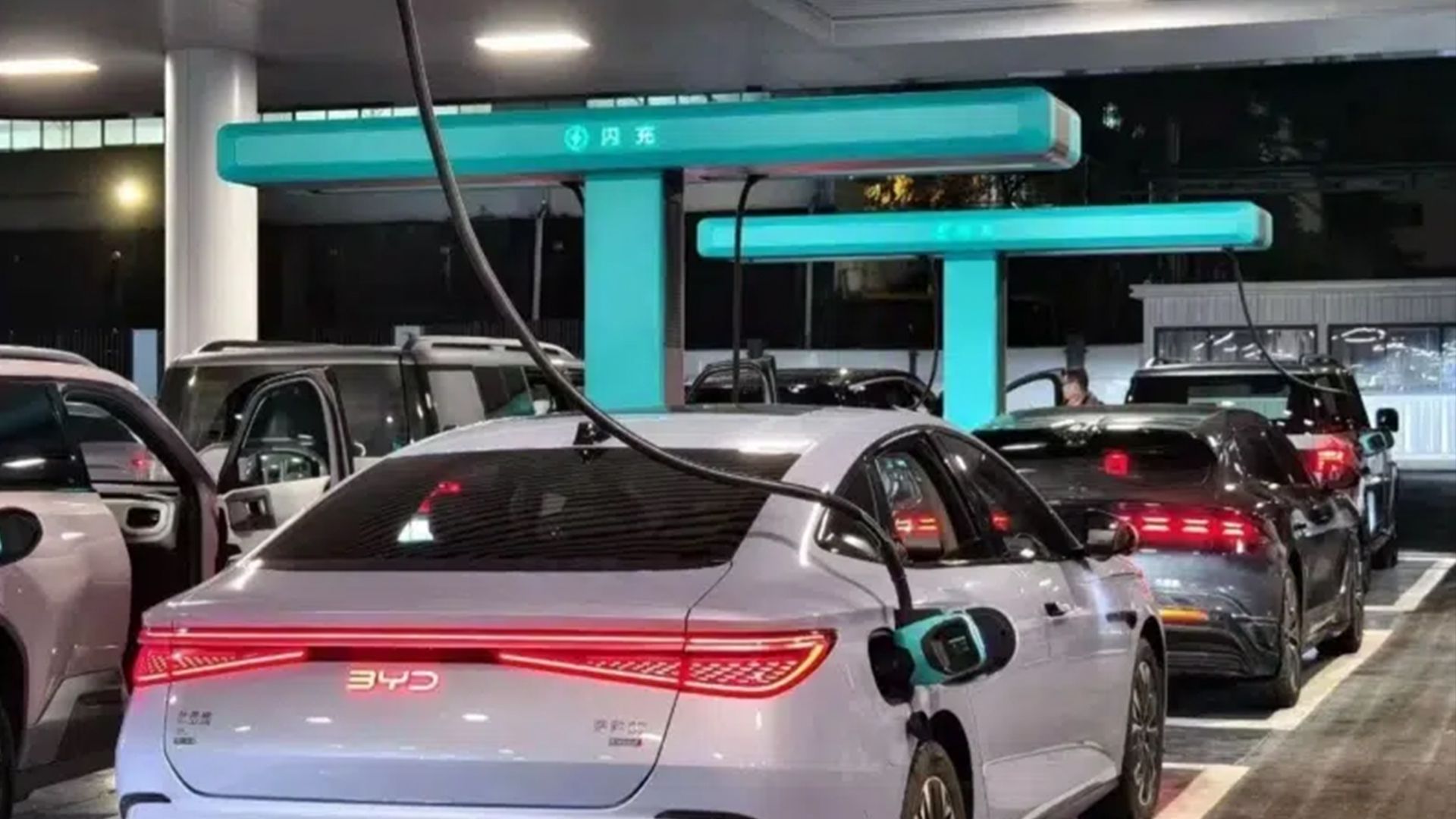
China's EV Surge Tied to 262,000 Fewer Air Pollution Deaths
A study suggests China's widespread electric vehicle adoption since 2010 has prevented an estimated 262,000 premature deaths. The shift reportedly reduced exposure to harmful pollutants like PM2.5 and nitrogen oxides, particularly in urban areas, contributing to improved air quality. However, critics note China's coal-reliant power grid may offset some environmental benefits.
Key points
- Estimated 262,000 premature deaths prevented in China since 2010 due to EV adoption.
- Reductions in PM2.5 by 23% and carbon monoxide by 30% attributed to EVs.
- Study cited improved air quality, especially in urban centers.
- Critics question net benefit given China's coal-dependent power generation.
Researchers in China have published findings suggesting a significant public health benefit stemming from the nation's rapid embrace of electric vehicles (EVs). The study posits that increased EV usage since 2010 has prevented an estimated 262,000 premature deaths by improving air quality.
The research highlights a reduction in exposure to critical air pollutants, including fine particulate matter (PM2.5) and nitrogen oxides. Satellite data indicated that, in urban areas, PM2.5 levels were down by 23% and carbon monoxide by 30% compared to a scenario without widespread EV adoption. These reductions are linked to fewer emissions from internal combustion engine vehicles.
However, the study also acknowledges a counterargument: China's continued reliance on coal for electricity generation. Critics argue that while EVs offer local emissions benefits, the overall environmental impact is contingent on a broader transition to cleaner energy sources for powering the grid. The findings arrive as China pursues its goal of carbon neutrality by 2060.
Sources
The WireByte editorial team synthesises technology news from multiple primary sources, verifies the facts, and links every source. Articles are produced with AI assistance and reviewed under our editorial policy.