Chinese startup Prinano claims photonic chip production breakthrough
Chinese firm Prinano has reportedly begun mass producing photonic chips using a novel nanoimprint lithography technique, bypassing traditional DUV equipment. The company claims this method significantly cuts costs and produces 8-inch wafers, potentially easing reliance on restricted foreign technology and impacting global chip supply chains.
Key points
- Chinese startup Prinano announced the mass production of 8-inch photonic chip wafers.
- The company claims to have achieved this without using deep-ultraviolet (DUV) lithography equipment.
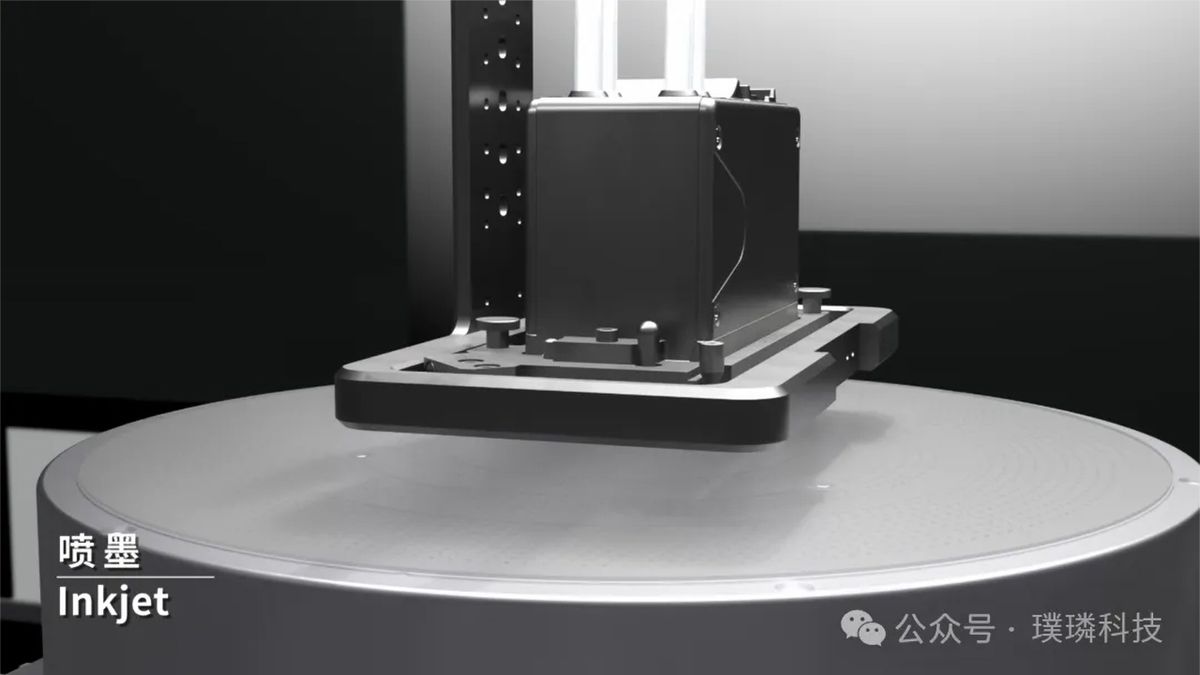
- Prinano utilized its PL-AS vacuum air-cushion nanoimprint lithography (NIL) system for production.
- The firm asserts this process reduces manufacturing costs by approximately 90% compared to traditional methods.
- This development could lessen China's dependence on ASML lithography tools subject to export restrictions.
Chinese semiconductor startup Prinano claims to have achieved a significant milestone in chip manufacturing, announcing the successful mass production of photonic chips without relying on standard deep-ultraviolet (DUV) lithography equipment. The company, in collaboration with Shenzhen Litra Technology, reportedly produced 8-inch optical chip wafers.
Prinano stated it employed a novel vacuum air-cushion nanoimprint lithography (NIL) system, which physically stamps nanoscale structures into a resist layer rather than using light projection. The startup asserts this innovative approach drastically reduces manufacturing costs, potentially by up to 90%, while enabling wafer-level production of photonic chips.
This development is seen as a notable advancement for China's domestic semiconductor industry, potentially decreasing its reliance on specialized lithography tools, such as those from ASML, which are subject to international export controls. The success of this alternative production method could have broader implications for the global supply of photonic chips and the wider semiconductor landscape.
Sources
The WireByte editorial team synthesises technology news from multiple primary sources, verifies the facts, and links every source. Articles are produced with AI assistance and reviewed under our editorial policy.