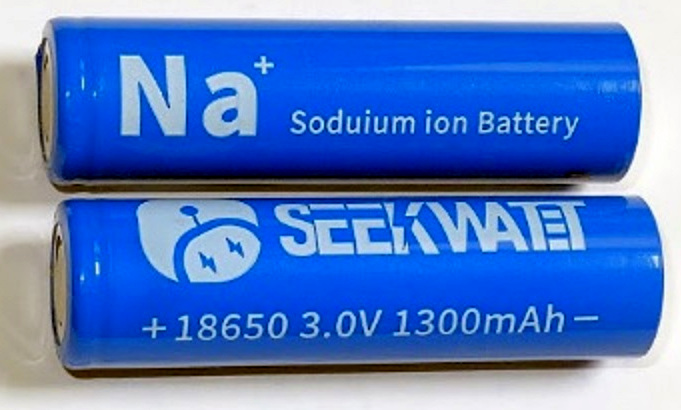
General Motors Taps Sodium-Ion for Grid-Scale Energy Storage in Peak Energy Deal
General Motors is venturing into grid-scale energy storage by developing sodium-ion battery cells through a new partnership with Peak Energy. This collaboration aims to create simpler, wider-temperature-range batteries for energy storage systems, leveraging GM's manufacturing capabilities and Peak's deployment expertise. The move signals GM's strategic expansion into the burgeoning datacenter and grid storage market.
Key points
- General Motors has partnered with Peak Energy to develop next-generation sodium-ion battery cells for grid-scale energy storage.
- GM will manufacture the sodium-ion cells, while Peak Energy will deploy them in its energy storage systems.
- The partnership aims to leverage the potential advantages of sodium-ion batteries, including simpler design and wider operating temperature ranges compared to lithium-ion.
- GM is investing in Peak Energy, though the financial details were not disclosed.
- This initiative represents GM's strategic move into the growing market for large-scale energy storage solutions.
Automaker General Motors is expanding its technological footprint into the energy storage sector, announcing a partnership with Peak Energy to develop grid-scale sodium-ion batteries. The collaboration, revealed Tuesday, positions GM to manufacture the new battery cells, which will then be integrated into Peak Energy's proprietary storage systems.
This strategic alliance signifies GM's intent to capitalize on the increasing demand for large-scale energy storage, particularly for datacenters and grid stabilization. Sodium-ion batteries are being highlighted for potential benefits over traditional lithium-ion technology, including simpler construction and greater resilience across a broader temperature spectrum. These characteristics could translate to reduced operational costs, especially by potentially lessening the need for extensive cooling systems often associated with lithium-ion deployments.
While sodium offers abundance and stability, it currently possesses lower energy density compared to lithium. GM's involvement suggests a commitment to advancing this alternative battery chemistry for stationary applications, marking a significant diversification for the automotive giant into a critical area of energy infrastructure.
Sources
The WireByte editorial team synthesises technology news from multiple primary sources, verifies the facts, and links every source. Articles are produced with AI assistance and reviewed under our editorial policy.