Global USB Charger Market Shifts as Efficiency and Safety Standards Rise
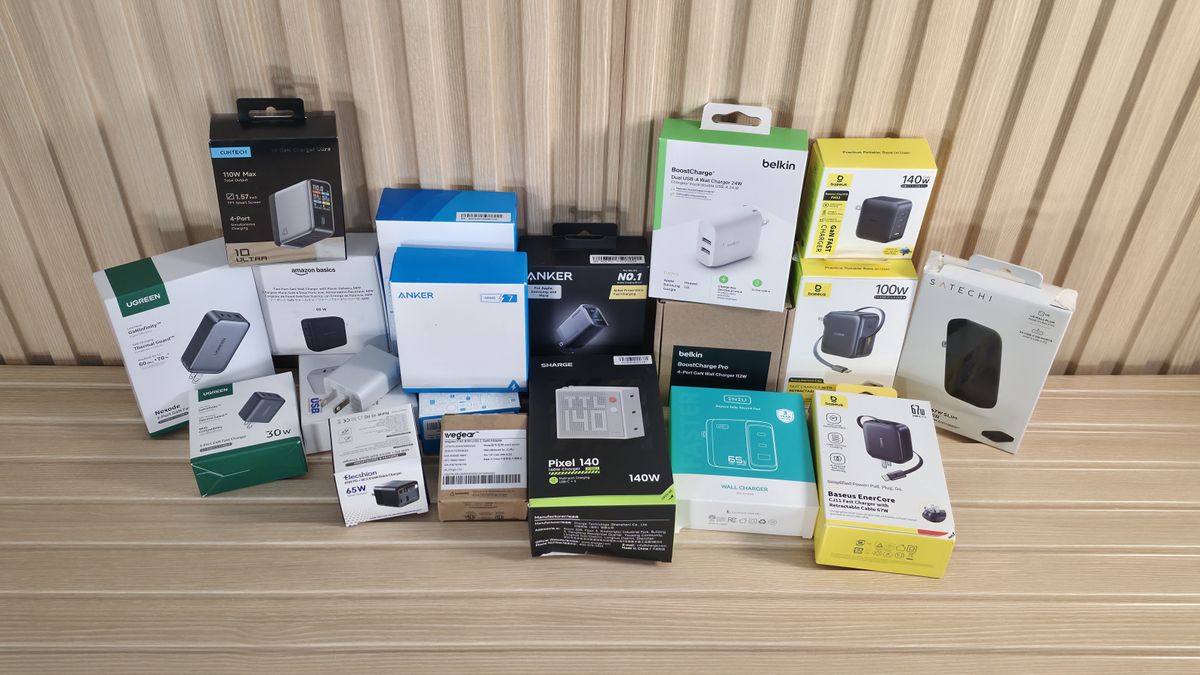
A recent study by Tom's Hardware tested 20 different USB chargers, finding that most are relatively efficient and safer than ever. However, high-wattage chargers above 100W require improved heat management and sustained output. This shift in standards affects consumers, manufacturers, and regulatory bodies worldwide.
Key points
- Tom's Hardware tested 20 USB chargers from various brands, including Anker, Baseus, and Belkin, to evaluate efficiency, safety, and performance.
- Most chargers performed well at lower wattages, but high-wattage chargers above 100W showed significant heat and sustained output issues.
- The study highlights the need for improved heat management and sustained output in high-wattage chargers.
- This shift in standards may impact consumer choices, manufacturer designs, and regulatory requirements worldwide.
A recent study by Tom's Hardware has shed light on the evolving landscape of USB chargers. The testing of 20 different models from various brands, including Anker, Baseus, and Belkin, has revealed that most chargers are relatively efficient and safer than ever. However, high-wattage chargers above 100W require improved heat management and sustained output.
The study's findings have significant implications for consumers, manufacturers, and regulatory bodies worldwide. As consumers increasingly rely on high-wattage chargers for their devices, the need for improved heat management and sustained output becomes more pressing. Manufacturers must adapt their designs to meet these new standards, while regulatory bodies must reassess their requirements to ensure consumer safety.
The shift in standards may also impact consumer choices, as they become more aware of the importance of heat management and sustained output in high-wattage chargers. As the market continues to evolve, it remains to be seen how manufacturers and regulatory bodies will respond to these changing demands.
Sources
The WireByte editorial team synthesises technology news from multiple primary sources, verifies the facts, and links every source. Articles are produced with AI assistance and reviewed under our editorial policy.