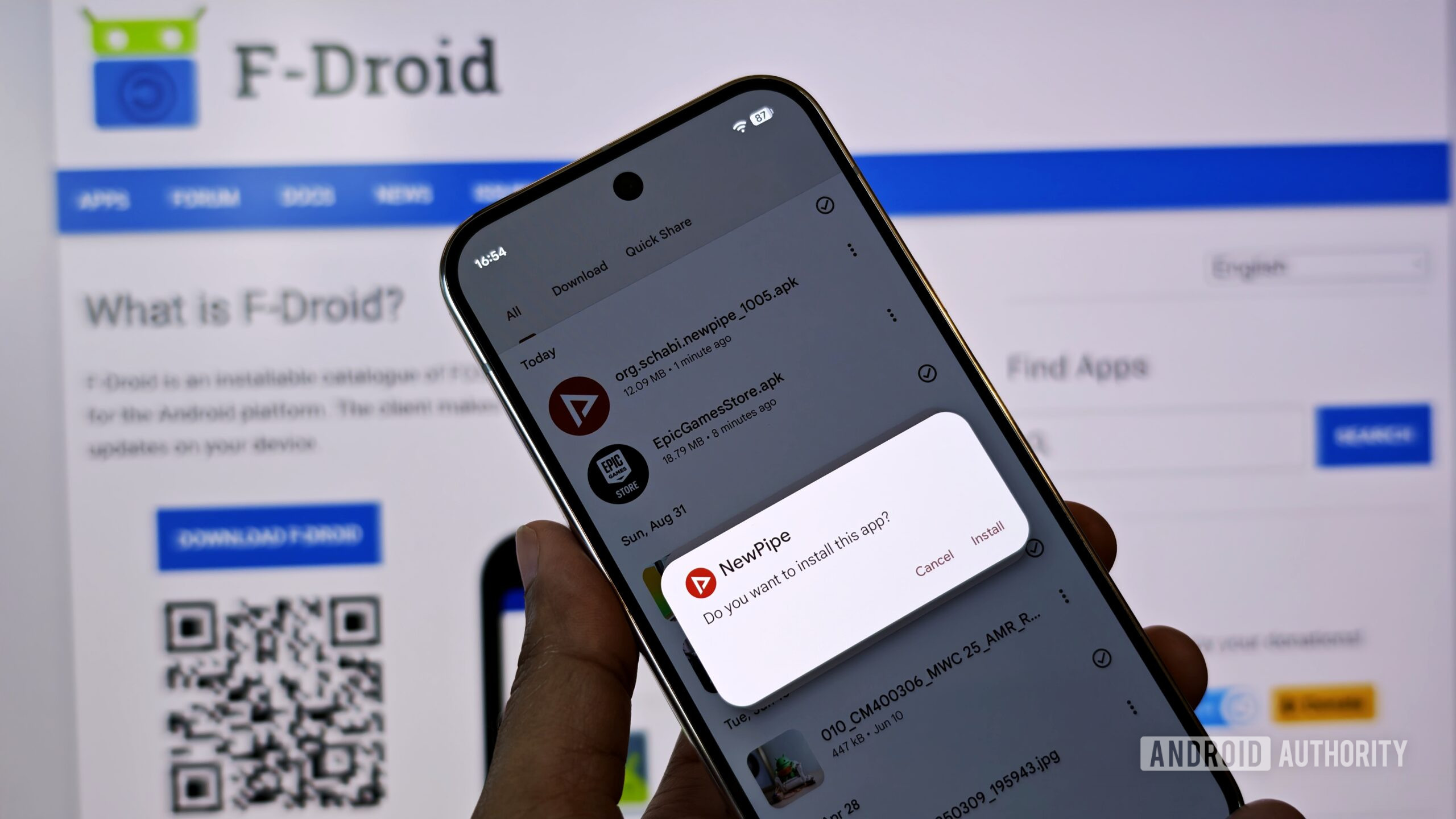
Google Details New Android Sideloading Security Measures, Global Rollout by 2027
Google is implementing an updated developer verification system and advanced sideloading process for Android devices. Beginning September 30, 2026, enhanced user-facing security for unverified apps will require a 24-hour lock and multiple installation steps. The initiative, starting in four countries this year and expanding globally by 2027, aims to boost app security and inform users about origins, without fully restricting sideloading.
Key points
- Google is introducing a new developer verification system and advanced sideloading procedure for its Android operating system.
- User-facing security protections for applications installed from unverified developers will commence on September 30, 2026, in select countries.
- The advanced sideloading flow will mandate a 24-hour lock period and multiple installation steps for apps from unverified sources or installed via ADB.
- The initiative's primary goal is to enhance Android's overall security by providing users with clear information about an app's origin before installation.
- An initial rollout will occur in four countries this year, with global expansion to all certified Android devices projected for 2027.
- Millions of applications have already been registered through the developer verification system since its launch in March, covering a significant portion of app installs.
Google has provided further details regarding its upcoming Android developer verification system and advanced sideloading procedures, designed to enhance the security of applications installed outside its official Play Store. This global initiative aims to make app installation safer for users by providing clearer information about application origins. While most Android users will not experience immediate alterations, the company outlines a structured timeline for implementing these new protections.
A core component of the new framework is an advanced sideloading flow for applications from unverified developers. Users attempting to install such apps, or those distributed via Android Debug Bridge (ADB), will encounter a mandatory 24-hour hold period and be guided through multiple confirmation steps. This mechanism is intended to ensure users are fully aware of an app's source and potential implications before granting installation permissions, thereby mitigating risks from malicious software.
The phased rollout begins with user-facing protections launching in select countries on September 30, 2026. Prior to this, initial implementation will commence in four specified countries later this year, with a broader global expansion to all certified Android devices scheduled for 2027. Google initiated developer verification in March, and reports indicate millions of applications have already been registered, encompassing a vast majority of installations both inside and outside the Play Store.
These changes reflect Google's strategy to bolster Android's robust security posture without completely restricting the practice of sideloading. The company seeks to strike a balance, offering users the flexibility to install apps from various sources while introducing safeguards to protect against potential threats. This move is a significant step towards a more secure mobile ecosystem for a global user base.
Sources
The WireByte editorial team synthesises technology news from multiple primary sources, verifies the facts, and links every source. Articles are produced with AI assistance and reviewed under our editorial policy.