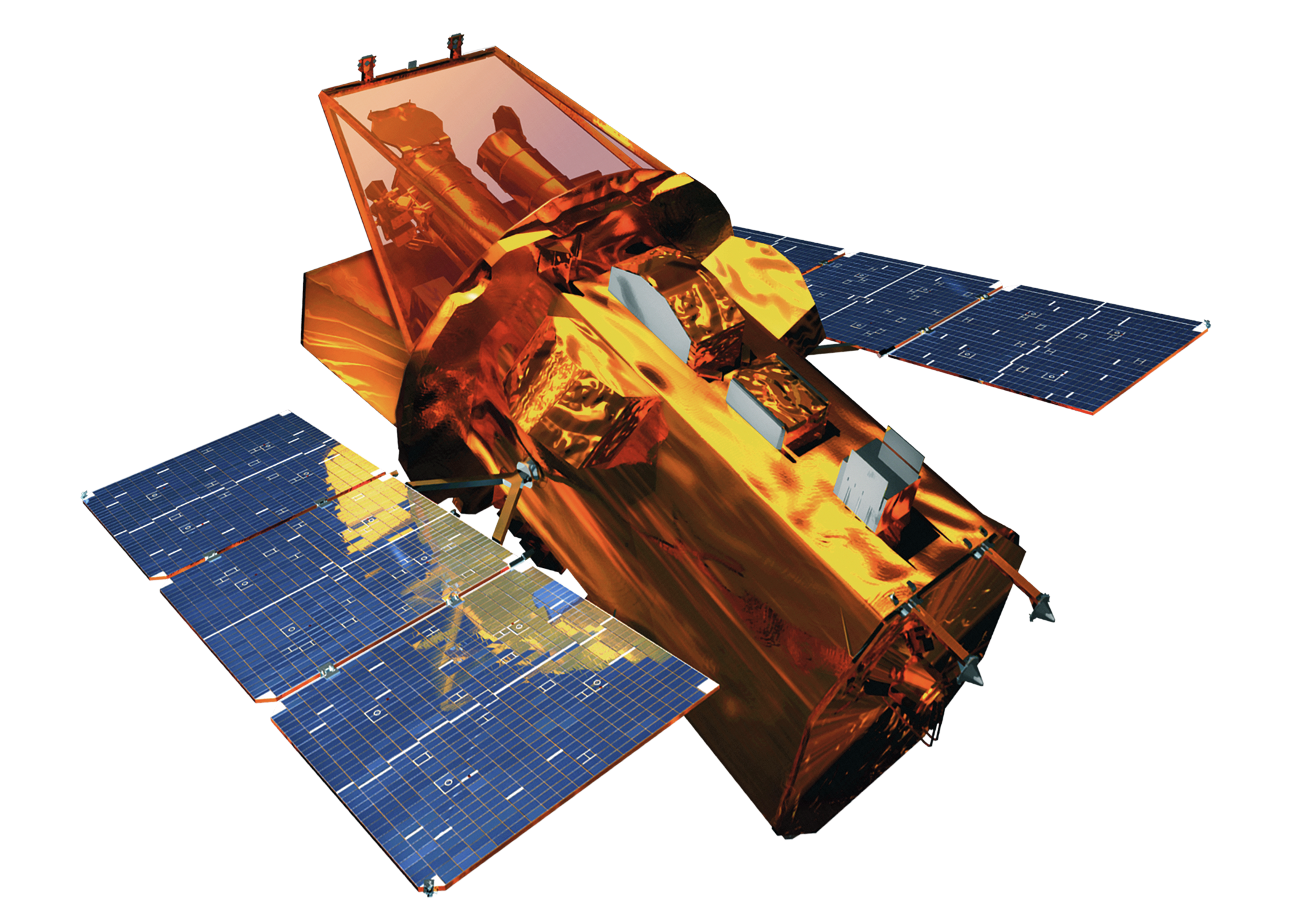
Katalyst Space's mission to reboost NASA's Swift observatory nears launch
Katalyst Space's LINK spacecraft is mounted on its Pegasus XL rocket, preparing for a crucial late-month launch. The mission aims to reboost NASA's Swift observatory, whose orbit is rapidly decaying due to solar activity. If successful, this intervention could significantly extend Swift's operational life and potentially offer a less expensive method for servicing other aging satellites, like the Hubble Space Telescope.
Key points
- Katalyst Space's LINK robotic servicing spacecraft has been installed on its Pegasus XL launcher.
- The mission's goal is to reboost NASA's Swift observatory, whose orbit is decaying due to increased solar activity.
- Swift lacks thrusters to correct its orbital decay, risking re-entry within months without intervention.
- Launch is scheduled for later this month from the Kwajalein Atoll after transport by a Lockheed L-1011 TriStar.
- Success could provide a cost-effective method for extending the lifetimes of other satellites, including Hubble.
Katalyst Space announced a significant milestone as its LINK robotic servicing spacecraft is now integrated with the Pegasus XL rocket. This development brings the mission to reboost NASA's Swift observatory closer to its expected launch later this month.
The Swift observatory is facing imminent re-entry into Earth's atmosphere due to an unexpectedly rapid orbital decay, exacerbated by increased solar activity. Lacking its own thrusters to counteract this decay, Swift's operational lifespan is critically limited without external intervention. NASA engineers have attempted to extend its usability by reorienting the spacecraft and reducing its scientific output, but time is extremely limited.
The upcoming launch from the Kwajalein Atoll will see the Pegasus XL, carried by the last airworthy Lockheed L-1011 TriStar, lift off to attempt the reboost. While NASA previously rejected a SpaceX Dragon proposal for a similar task, the success of this Katalyst mission could offer a more economical alternative for servicing other aging space assets, such as the Hubble Space Telescope, which faces similar orbital challenges in the future.
Sources
The WireByte editorial team synthesises technology news from multiple primary sources, verifies the facts, and links every source. Articles are produced with AI assistance and reviewed under our editorial policy.