US States Advance AI Regulation Amidst Federal Stasis
Despite a past directive from then-President Trump urging states against regulating artificial intelligence, numerous US states are now moving forward with targeted AI legislation. These efforts focus on areas like child interaction with chatbots and employer use of AI, seeking to address concerns about bias and potential catastrophe, while federal action remains stalled.
Key points
- Several US states are enacting AI regulations, six months after then-President Trump advised against such measures.
- Federal AI regulation has stalled in Congress, allowing states to pursue more targeted legislation.
- New state laws scrutinize AI's impact on children, workplace applications, and developer accountability for system bias.
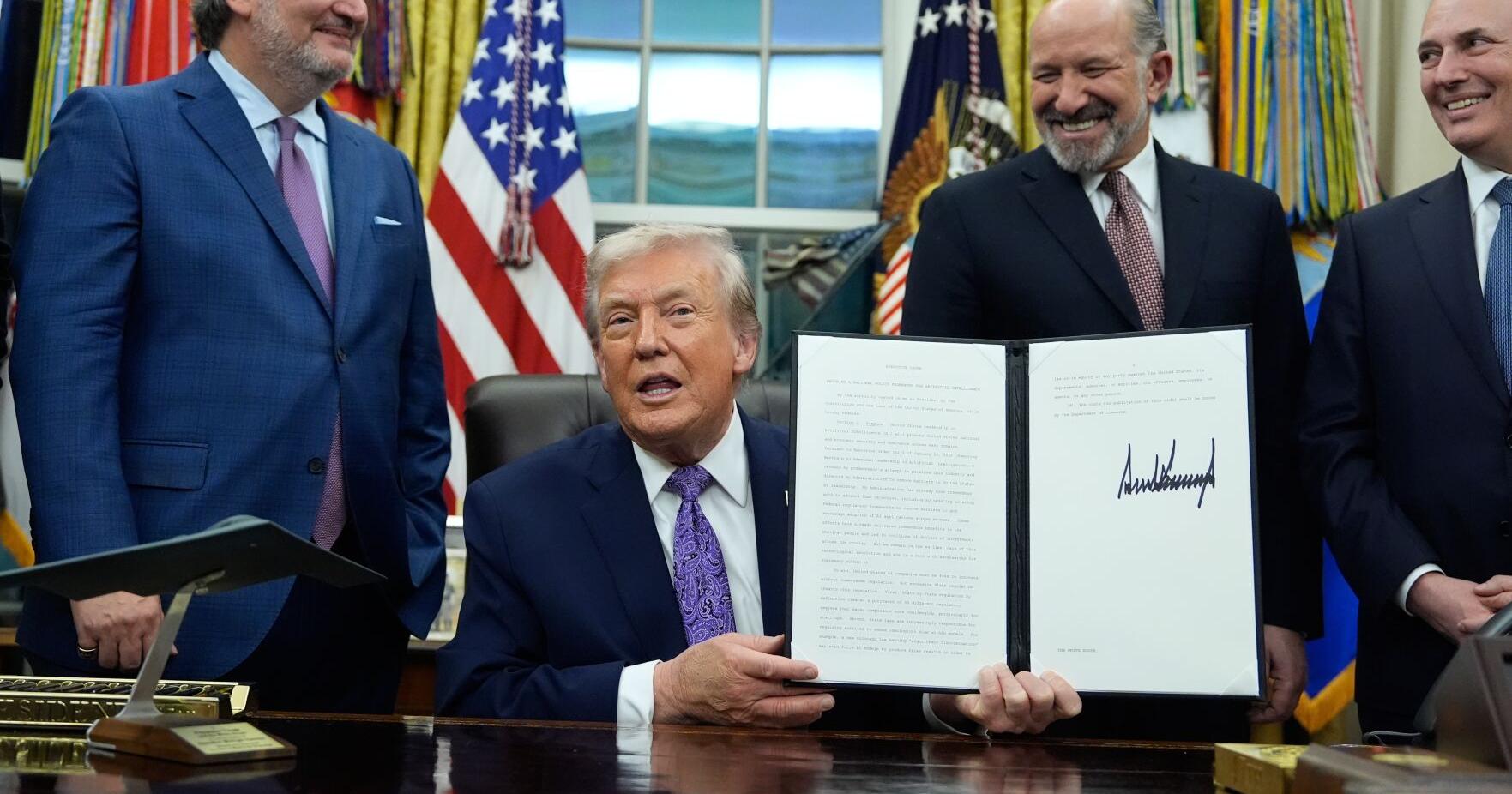
- Trump's prior executive order aimed to prevent states from regulating AI, citing economic and national security concerns in a race with China.
- These state actions face criticism from some who fear it will grant AI giants unchecked power, while proponents seek oversight.
In the absence of federal action, a growing number of U.S. states are advancing their own regulations for artificial intelligence. This movement follows a directive six months prior from then-President Donald Trump, who had cautioned states against establishing AI regulations. His administration had argued that varied state rules could hinder the industry's development and impact national competitiveness, particularly in relation to China.
While initial, broader state-level attempts to regulate AI were sometimes vetoed or blocked by governors concerned about industry impact, lawmakers are now focusing on more specific legislation. These new proposals aim to address critical areas where AI interacts with the public, including how chatbots engage with children and how employers utilize AI systems. There is also a push to establish developer responsibilities for preventing potential AI-related catastrophes and mitigating bias within AI algorithms.
This surge in state-level regulatory activity is occurring against a backdrop of legislative stagnation in Congress regarding federal AI oversight. The approach by states has drawn a mixed reaction, with civil liberties and consumer rights groups expressing concern that a lack of federal leadership, combined with Trump's previous stance, could benefit major AI companies by limiting oversight. Conversely, proponents of these state initiatives argue they are necessary steps to ensure responsible AI development and deployment.
Sources
The WireByte editorial team synthesises technology news from multiple primary sources, verifies the facts, and links every source. Articles are produced with AI assistance and reviewed under our editorial policy.